our
approach to practice.
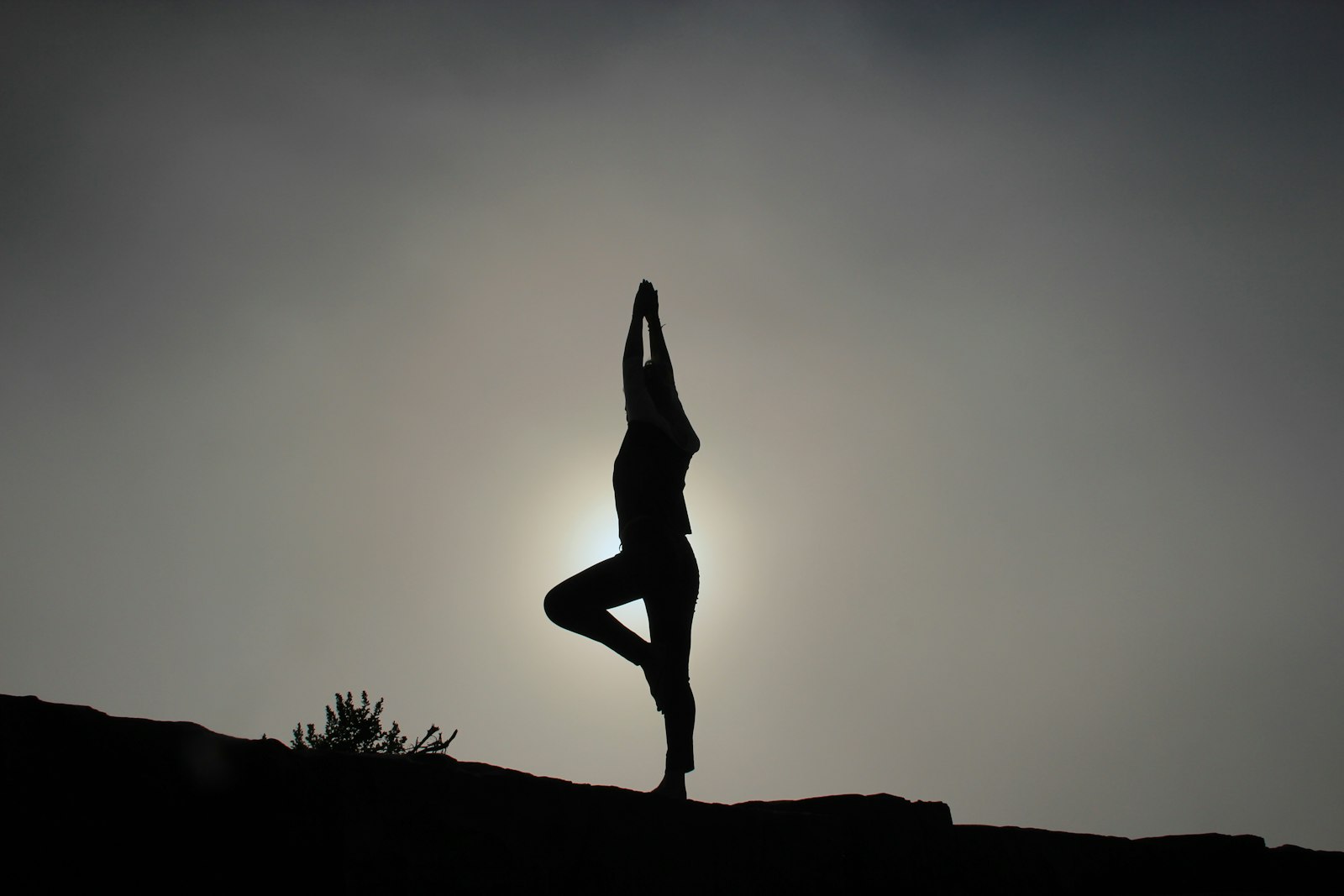
The word ritual comes from the Latin ritus — a way of doing something that has meaning. Not every class needs to be a ritual. But every practice can be, if you bring something to it besides your body.
At Sōl, we practice without mirrors. Not because we're precious about it, but because mirrors teach you to compare. We already do enough comparing. We don't play music in most classes because music fills silence, and we have learned to be uncomfortable with silence. We're trying to get better at that.
We cap every class at eight people. If you've practiced in large studios, this will feel strange at first. You'll get feedback you haven't asked for. The teacher will notice if you're holding your breath. This is the point.
We use sliding scale pricing because the practice should be available to people at different moments in their financial lives. There is no hierarchy among the tiers. Everyone is in the same room, on the same floor, doing the same thing.
the principles.
smallness is not scarcity
Eight students per class is a design decision, not a limitation. Attention is finite. A teacher can hold space for eight people. They cannot hold it for forty.
silence is productive
We are not afraid of quiet in class. You will sometimes be in a room with seven other people and the only sound is breathing. This is the practice.
the body is not a project
We are not here to improve you. You are not broken. The practice is a way of listening to what is already there — not a method for achieving a better version.
access matters
Sliding scale pricing, ramp access, chairs and bolsters always available. Yoga does not belong to people who can afford expensive mats and yoga pants.
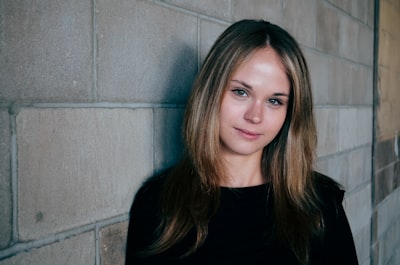
Maja Lindqvist,
founder.
I started practicing in my early twenties to manage anxiety. It worked, imperfectly and slowly, in the way that most things that work do. I became a teacher because I wanted to offer something more honest than what I'd found in most studios — which was a performance of wellness rather than a practice of it.
I trained in Mysore, studied somatics in Berlin, and spent two years at a Yin teacher training programme in London before opening Sōl in 2019. I have been practicing for 14 years and I still do not know what I'm doing, which seems like the right amount of not-knowing.
— Maja